10 Things Nobody Tells You About Pregnancy (The Honest Truth)
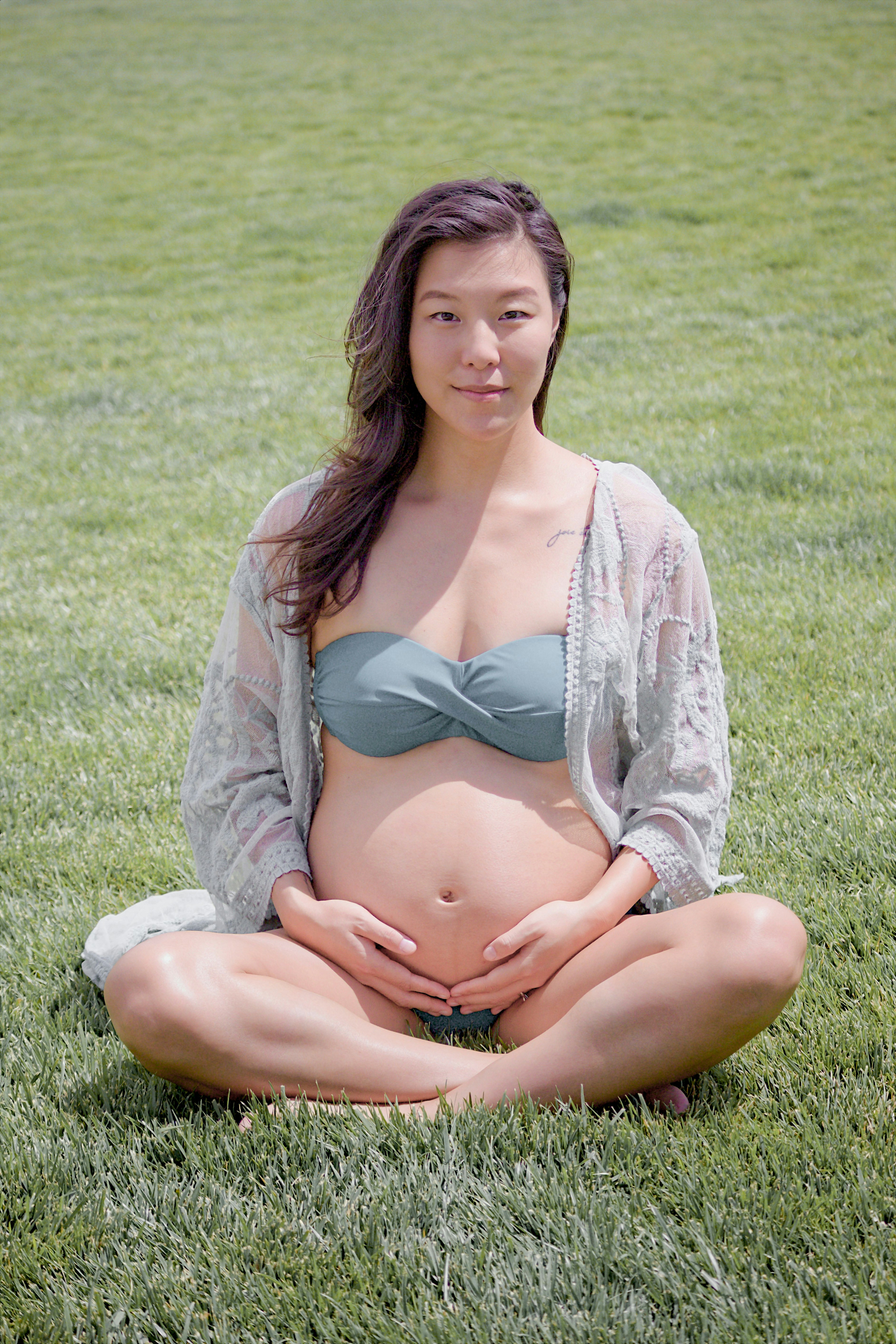
Pregnancy is beautiful. Magical. A miracle of life.
It's also weird, uncomfortable, and full of surprises nobody warned you about.
We're not here to scare you. We're here to prepare you. Because when you know what might happen, you won't panic when it does.
Here are the brutally honest truths about pregnancy - the stuff your doctor might gloss over and your polite friends won't mention.
1. Your Boobs Will Hurt. A Lot.
One of the very first signs of pregnancy - often before you even miss your period - is breast pain. And we're not talking mild discomfort. We're talking "don't even look at them" levels of tenderness.
What's happening: Your body is flooding with oestrogen and progesterone. These hormones cause your breasts to swell, become tender, and start preparing for breastfeeding.
What to expect:
- Intense soreness, especially on the sides
- Visible veins as blood flow increases
- Larger, darker nipples (and they may stay that way)
- Possible leakage of colostrum in later pregnancy
- Going up 1-3 cup sizes
Survival tip: Invest in good maternity bras early. Skip the underwire. Your future self will thank you.
2. "Cheeseburger Crotch" is a Thing
Yes, this is real. No, nobody tells you about it.
During pregnancy, your blood volume increases by up to 50%. Combined with extra fluid retention and the growing weight pressing down, your vulva can swell significantly. Some women describe it as looking (and feeling) like a cheeseburger. Hence the very medical term.
What to expect:
- Visible swelling (may be uneven)
- Pressure and discomfort when sitting or walking
- Possible itching or redness
- Varicose veins in the area (vulvar varicosities)
Survival tip: Cold compresses help. A supportive belly band can take some pressure off. Put your feet up when possible. It usually resolves after birth.
3. Heartburn Will Become Your Nemesis
That burning sensation in your chest after eating? Get used to it. Heartburn affects up to 80% of pregnant women, especially in the third trimester.
What's happening: Progesterone relaxes the valve between your stomach and esophagus. Meanwhile, your growing uterus pushes your stomach upward. Result? Acid goes where it shouldn't.
Survival tips:
- Eat smaller, more frequent meals
- Avoid spicy, acidic, and fatty foods
- Don't lie down right after eating
- Prop yourself up with pillows at night
- Milk or yogurt can provide temporary relief
- Ask your doctor about pregnancy-safe antacids

4. You'll Pee. Constantly. Sometimes Accidentally.
Frequent urination is one of the earliest pregnancy symptoms, and it only gets worse as baby grows. But here's what nobody mentions: you might also pee when you sneeze, cough, laugh, or even just stand up.
What's happening: Hormones increase blood flow to your kidneys, and your bladder gets squeezed by the growing uterus. The pelvic floor muscles also weaken during pregnancy.
What to expect:
- Waking up 3-5+ times per night to pee
- Feeling like you need to go again 5 minutes after you just went
- Stress incontinence (leaking when you laugh, cough, sneeze)
- Not being able to hold it as long as before
Survival tips:
- Do your Kegel exercises (they really help)
- Lean forward when peeing to empty your bladder completely
- Cut back on fluids before bedtime (but stay hydrated during the day)
- Wear panty liners if leakage is an issue
5. Stretch Marks: Your "Tiger Stripes"
No amount of bio-oil, cocoa butter, or expensive creams can guarantee you won't get stretch marks. Whether you get them depends largely on genetics and how quickly your belly grows.
What's happening: The supporting layers of tissue under your skin tear as it stretches to accommodate your growing baby.
What to expect:
- Red, purple, or silvery lines on belly, hips, breasts, thighs
- Itching before and during their appearance
- They'll fade to silvery-white after pregnancy (but won't disappear completely)
Reality check: Most women get some stretch marks. Embrace them as your tiger stripes - battle scars of growing a human being.
6. The Poop Situation Gets... Complicated
Constipation during pregnancy is so common it's almost universal. And it can lead to hemorrhoids, which nobody wants to talk about but many pregnant women experience.
What's happening: Progesterone relaxes your intestinal muscles, slowing digestion. Iron supplements (often prescribed during pregnancy) can make it worse. Add a growing uterus pressing on your rectum, and you've got a recipe for a poop-jam.
Survival tips:
- Eat plenty of fiber (fruits, vegetables, whole grains)
- Drink lots of water
- Don't hold it when you need to go
- Stay active - walking helps keep things moving
- Probiotics (yogurt, kefir) can help
- Never take laxatives without doctor's approval - some can cause contractions
7. Gestational Diabetes is More Common Than You Think
About 10-15% of pregnancies in Singapore involve gestational diabetes. It can happen to anyone, even if you've never had blood sugar issues before.
What's happening: Pregnancy hormones can interfere with insulin function, causing blood sugar to rise.
Risk factors:
- Family history of diabetes
- Being overweight before pregnancy
- Previous gestational diabetes
- Age over 25
- Certain ethnicities (including Asian)
You'll be tested around weeks 24-28 with an oral glucose tolerance test (OGTT). If diagnosed, it's usually managed with diet and exercise. Some women need insulin.
The good news: For most women, blood sugar returns to normal after delivery.
8. Mood Swings? More Like Mood Tsunamis
You've heard of pregnancy mood swings. But nobody prepared you for crying at a diaper commercial, snapping at your partner for breathing too loudly, and feeling euphoric - all within the same hour.
What's happening: Massive hormonal fluctuations are messing with your brain chemistry. Plus, you're dealing with physical discomfort, sleep deprivation, and the massive life change of becoming a parent.
What's normal:
- Crying for no apparent reason
- Irritability (especially with your partner)
- Anxiety about the baby, birth, or parenthood
- Moments of overwhelming joy followed by inexplicable sadness
When to seek help: If sadness or anxiety is persistent, interferes with daily life, or includes thoughts of self-harm, talk to your doctor. Antenatal depression affects about 10-15% of pregnant women and is treatable.

9. Your Libido Might Go Crazy (Or Disappear)
Pregnancy hormones can dramatically affect your sex drive - and it can go either way.
Some women experience:
- Increased libido (yes, some women feel hornier than ever)
- More vivid sexual dreams
- Enhanced sensitivity and pleasure
Other women experience:
- Complete loss of interest in sex
- Physical discomfort making intimacy unappealing
- Body image issues affecting desire
Both are completely normal. What matters is communicating with your partner. Don't feel guilty either way - your body is doing something incredible.
Note: Sex during pregnancy is generally safe unless your doctor advises otherwise. Ask if you're unsure.
10. Your Cravings Might Get... Weird
Pickles and ice cream? That's amateur hour. Pregnancy cravings can get truly bizarre.
Common cravings:
- Sweet foods (ice cream, chocolate, fruit)
- Salty foods (chips, fast food)
- Sour foods (citrus, pickles)
- Specific cultural foods
Weird cravings:
- Combinations that make no sense (cheese on fruit, anyone?)
- Foods you previously hated
- Things you can't even get (that specific hawker dish from 10 years ago)
Concerning cravings (Pica): Some women crave non-food items like ice, dirt, chalk, or clay. This can indicate nutrient deficiencies (often iron). Tell your doctor immediately if you experience this.

🌸 Bloom Into Motherhood — April 18, voco Orchard
Lactation consultant. TCM physician. Babywearing specialist. Emotional wellness expert. Prenatal chiropractor. 5 experts, one afternoon. Buffet lunch + goody bag included. Every spin wins a discount.
Spin to Claim Your Ticket →Frequently Asked Questions
Why do breasts hurt so much during pregnancy?
Breast pain is caused by hormonal changes - increased oestrogen and progesterone cause the breasts to swell, become tender, and prepare for breastfeeding. This often starts very early and typically improves after the first trimester, though breasts may remain sensitive.
Is frequent urination during pregnancy normal?
Yes, it's one of the most common symptoms. It starts early due to hormonal changes and increased blood volume, and continues through pregnancy as the baby presses on your bladder. Some leakage when laughing or sneezing is also normal.
Can I prevent stretch marks during pregnancy?
Unfortunately, there's no guaranteed way to prevent them. Whether you get stretch marks depends largely on genetics. Keeping skin moisturized may help with itching and potentially reduce severity, but even expensive creams can't prevent them if you're genetically predisposed.
When should I worry about mood swings?
Mood swings are normal during pregnancy. However, if feelings of sadness, anxiety, or hopelessness persist for more than two weeks, interfere with daily functioning, or include thoughts of self-harm, speak to your doctor. Antenatal depression is treatable.
Are pregnancy cravings harmful?
Most cravings are harmless, though try to maintain a balanced diet overall. However, cravings for non-food items (pica) - like ice, dirt, or chalk - can indicate nutrient deficiencies and should be discussed with your doctor immediately.
The Bottom Line
Pregnancy is a wild ride. Your body will do things you never expected, and that's okay. Knowing what might happen helps you feel less alone when it does.
If anything feels concerning or is affecting your quality of life, talk to your doctor or midwife. No symptom is too embarrassing to mention - they've heard it all.
And remember: millions of women go through this every year. You're not alone, and you've got this.
What surprised you most about pregnancy? We'd love to hear from you.