Baby Sleep Training Singapore: When to Start & Methods That Work
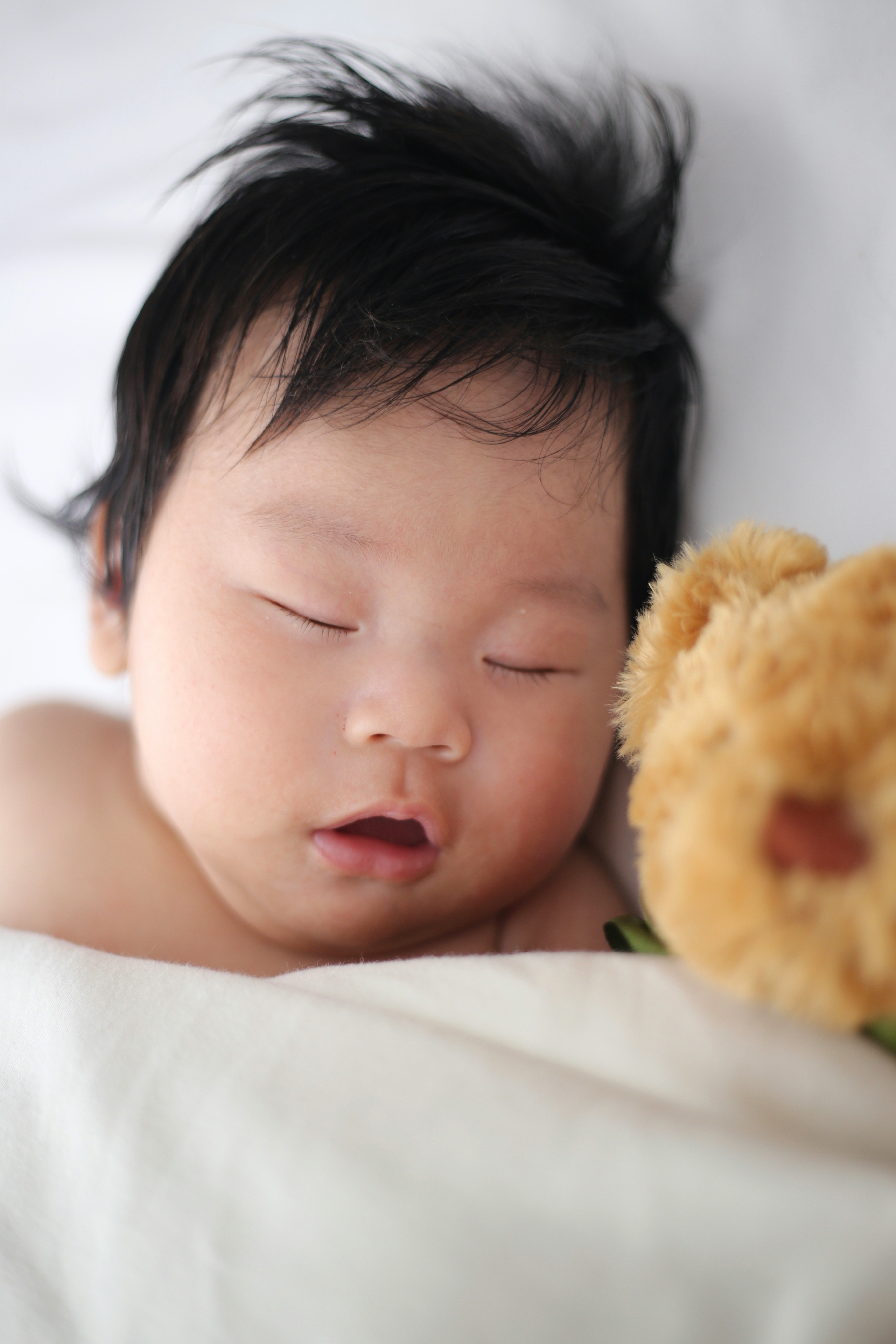
You haven't slept properly in months. You've tried everything - rocking, feeding, pacing the hallway at 3am. Your baby only sleeps in your arms and wakes the moment you put them down.
Sleep training can help.
This guide covers everything Singapore parents need to know about teaching your baby to sleep independently - when to start, which methods work, and how to do it safely.
What is Sleep Training?
Sleep training is teaching your baby to fall asleep independently - without being rocked, fed, or held. The goal is for your baby to:
- Fall asleep on their own at bedtime
- Self-soothe back to sleep when they wake during the night
- Sleep longer stretches without parental intervention
It doesn't mean your baby won't ever need you at night. Illness, teething, and developmental leaps can disrupt sleep. But a sleep-trained baby has the skills to settle themselves most of the time.
When Can I Start Sleep Training?
Most paediatricians recommend waiting until 4-6 months of age. Here's why:
Before 4 Months
- Babies' sleep patterns are still developing
- They need night feeds for nutrition and growth
- Self-soothing abilities haven't developed yet
- Sleep training is generally not recommended
4-6 Months (Ideal Window)
- Sleep cycles become more adult-like
- Many babies can go longer between feeds
- Self-soothing abilities are emerging
- Before bad habits become deeply ingrained
6+ Months
- Still absolutely possible to sleep train
- May take slightly longer if habits are established
- Separation anxiety peaks around 8-10 months (may be harder)
Signs Your Baby is Ready for Sleep Training
- At least 4 months old (adjusted age for premature babies)
- Gaining weight well and healthy
- Can go 4-6 hours without feeding at night
- Shows ability to self-soothe (sucking thumb, finding comfort position)
- Not going through illness, teething, or major transition
- Parents are mentally ready and can commit to consistency
Sleep Training Methods: Which One is Right for You?
There's no single "best" method - the best one is the one you can stick with consistently. Here are the main approaches:
1. Gradual Withdrawal (Chair Method)
Best for: Parents who want a gentle approach with minimal crying
How it works:
- Put baby down drowsy but awake
- Sit in a chair next to the cot
- Offer verbal reassurance or gentle patting (no picking up)
- Every 2-3 nights, move the chair further away
- Eventually, you're outside the room
Pros: Gentle, minimal crying, maintains connection
Cons: Takes longer (2-3 weeks), requires patience
2. Ferber Method (Graduated Extinction)
Best for: Parents who want faster results with some check-ins
How it works:
- Put baby down drowsy but awake
- Leave the room
- If baby cries, wait a set time before checking (e.g., 3 minutes)
- Brief check-in (1-2 minutes) - verbal reassurance, no picking up
- Leave and wait longer before next check (e.g., 5 minutes)
- Gradually increase intervals (3, 5, 10, 15 minutes)
Pros: Usually works within 3-7 days
Cons: Involves more crying, can be emotionally difficult for parents
3. Pick Up, Put Down
Best for: Parents who can't stand any crying
How it works:
- Put baby down drowsy
- If baby cries, pick up and comfort until calm
- Put down immediately once calm
- Repeat as many times as needed
Pros: Minimal crying, constant reassurance
Cons: Can take a very long time, may overstimulate some babies
4. Extinction (Cry It Out)
Best for: Parents who want the fastest results and can handle crying
How it works:
- Complete bedtime routine
- Put baby down awake
- Leave the room and don't return until morning (or next scheduled feed)
Pros: Often works within 3 nights
Cons: Most crying, emotionally difficult, not suitable for all babies


🌸 Bloom Into Motherhood — April 18, voco Orchard
Want expert guidance on baby care? Get tips from 5 maternal health specialists at Bloom Into Motherhood. Prenatal care, breastfeeding, babywearing & more. Buffet lunch + goody bag included. Every spin wins a discount.
Spin to Claim Your Ticket →Step-by-Step: How to Sleep Train Your Baby
Step 1: Establish a Bedtime Routine
A consistent routine signals to your baby that sleep is coming. Keep it 20-30 minutes, same order every night:
- Dim the lights
- Warm bath (optional)
- Pyjamas and fresh diaper
- Feed (but don't let them fall asleep feeding)
- Story or lullaby
- Into cot drowsy but awake
Step 2: Break the Feed-to-Sleep Association
If your baby only falls asleep while feeding, they'll need to feed every time they wake at night. Separate feeding from sleeping:
- Feed earlier in the routine (not last)
- If baby starts dozing while feeding, gently wake them
- Finish the routine after the feed
Step 3: Put Down Drowsy But Awake
This is the crucial part. Your baby needs to:
- Be in their cot when they fall asleep
- Learn to go from drowsy to fully asleep independently
If they fall asleep in your arms and wake up in the cot, they'll be confused and cry.
Step 4: Stay Consistent
The biggest mistake parents make is inconsistency. If you respond differently each time, baby gets confused and it takes longer. Choose a method and stick with it for at least a week.
Common Sleep Training Challenges
"My baby stands up in the cot and won't lie down"
Gently lie them back down without talking or eye contact. They may do this dozens of times the first few nights. Stay calm and boring. They'll eventually get tired and stay down.
"Night 3 is worse than Night 1"
This is called an "extinction burst" - baby tries harder because the old methods aren't working. It's actually a sign that it's working! Stay consistent and it usually improves by night 4-5.
"Baby is fine at bedtime but wakes at 3am"
Early morning wakings are often due to overtiredness. Try an earlier bedtime (counterintuitive but it works). Also check: is the room dark enough? Too cold/hot?
"It worked but now baby is sick/teething and we're back to square one"
This is normal. Comfort your baby through illness. Once recovered, you may need a few nights of "re-training" but it's usually much faster the second time.
🌸 Bloom Into Motherhood — April 18, voco Orchard
5 expert talks on prenatal care, breastfeeding, babywearing & more. Buffet lunch + goody bag included. Every spin wins a discount.
Spin to Claim Your Ticket →Frequently Asked Questions
When can I start sleep training my baby?
Most paediatricians recommend 4-6 months of age. At this stage, babies are developmentally ready to sleep longer stretches and can begin self-soothing. Always check with your doctor first.
Is sleep training harmful to babies?
No. Research consistently shows that sleep training, when done at the appropriate age, does not harm babies' emotional development, attachment security, or stress levels. A well-rested baby (and parents) is actually healthier overall.
How long does sleep training take?
Most babies show significant improvement within 3-7 days of consistent training. Full habit formation can take 2-4 weeks. The more consistent you are, the faster it works.
Will my baby still need night feeds?
It depends on age and weight. Many 6+ month old babies who are eating solids don't need night feeds nutritionally. However, some babies (especially breastfed or smaller babies) may still need one feed. Your paediatrician can advise.
Can I sleep train a breastfed baby?
Absolutely. The methods are the same. The main adjustment is ensuring baby isn't falling asleep at the breast. You may want to keep one dream feed initially while sleep training at bedtime.
My confinement nanny/helper always rocks baby to sleep. Now what?
Common in Singapore! Wait until you're ready to take over nighttime duties, then start sleep training. It may take a bit longer to break established habits, but it's definitely possible.

Singapore Sleep Training Resources
If you need professional help:
- Paediatrician — Rule out medical issues first
- Sleep consultants — Several certified consultants practice in Singapore (search "baby sleep consultant Singapore")
- Parenting groups — Facebook groups like "Singapore Mums" often share experiences
The Bottom Line
Sleep training isn't about leaving your baby to cry indefinitely or being a "bad" parent. It's about teaching your baby an essential life skill - the ability to fall asleep independently.
You're not damaging your baby. You're giving them (and yourself) the gift of better sleep. A well-rested baby is happier, healthier, and develops better. A well-rested parent is more patient, more present, and more capable.
Choose a method that feels right for your family. Be consistent. Be patient. It will work.
You've got this, tired parents. Better sleep is coming.