Confinement in Singapore: Complete Guide for New Mothers
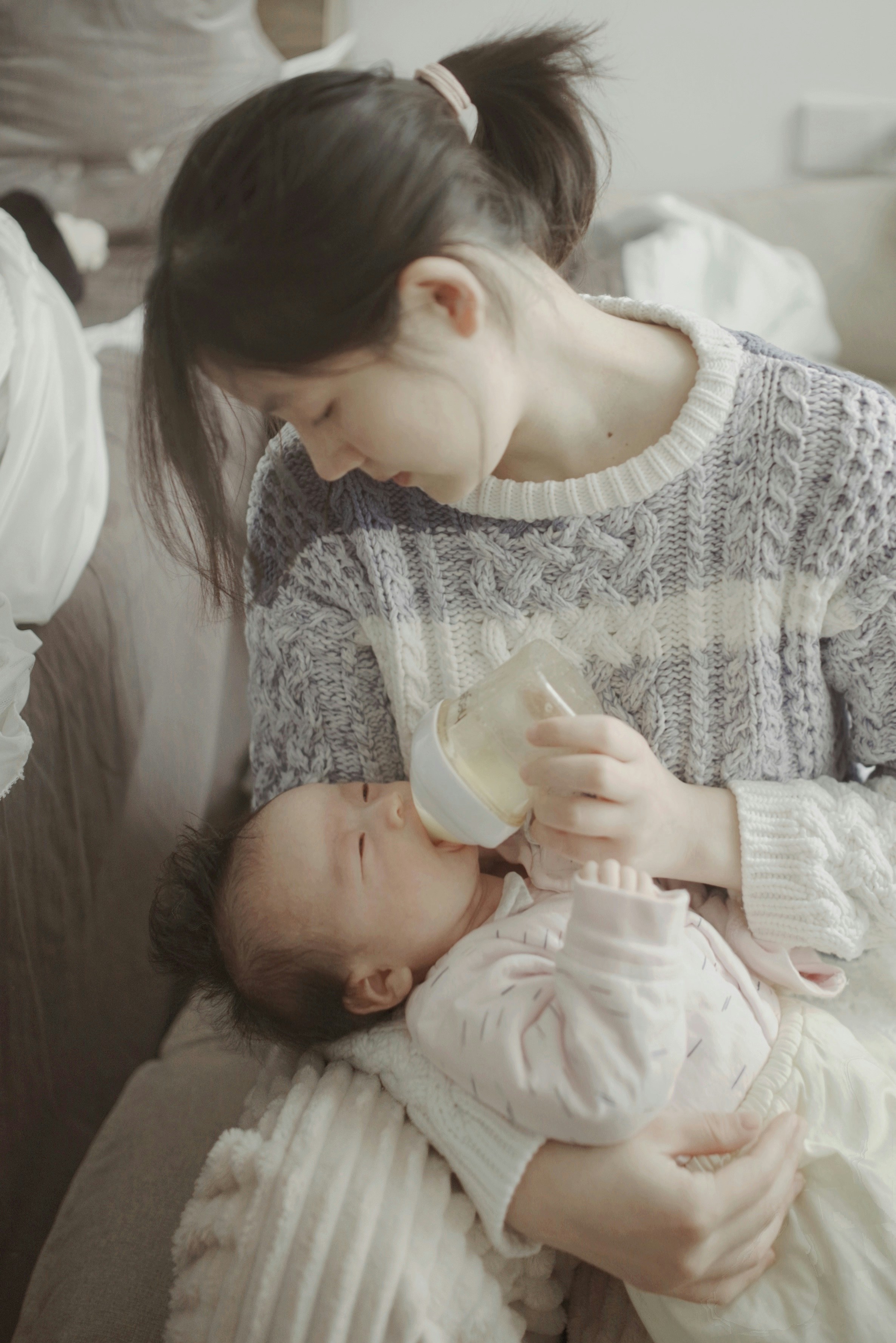
Confinement (zuo yue zi) is a traditional Chinese postpartum practice lasting 28-40 days where new mothers rest, eat nourishing foods, and recover after childbirth. In Singapore, you can hire a confinement nanny ($2,800-$4,500 for 28 days), use confinement food delivery services ($800-$1,800), or do DIY confinement with family support. Modern mothers often combine traditional practices with practical adjustments like showering with warm water and balanced nutrition for breastfeeding.
What is confinement?
Confinement, known as "zuo yue zi" (坐月子) in Chinese, literally means "sitting the month." It's a traditional postpartum practice observed in Chinese culture where new mothers rest and recuperate for approximately one month (28-40 days) after giving birth.
The practice is based on Traditional Chinese Medicine (TCM) principles that believe childbirth depletes a woman's "qi" (vital energy) and causes an imbalance of "yin" (cold) and "yang" (heat) in the body. The confinement period is meant to restore this balance through:
- Rest - Minimal physical activity to allow the body to heal
- Diet - "Heaty" foods to restore warmth and energy
- Hygiene practices - Traditional rules about bathing and exposure to cold/wind
- Care - Support from family or a confinement nanny
In Singapore, confinement is widely practiced among Chinese families, and many Malay and Indian families have their own postpartum traditions as well.
Traditional confinement rules (do's and don'ts)
Traditional confinement comes with many rules. While not all are medically necessary, understanding them helps you decide what works for your family.
Traditional don'ts:
- No showering or washing hair - To prevent "wind" from entering the body
- No cold water or cold drinks - To maintain body warmth
- No air conditioning or fans - To avoid catching cold
- No going out - Rest at home for the full month
- No crying or reading - Believed to strain the eyes
- No climbing stairs - To protect the joints
- No carrying heavy things - To prevent strain
Traditional do's:
- Eat warming foods - Ginger, sesame oil, red dates
- Drink plenty of warm fluids - Red date tea, herbal soups
- Wear warm clothing - Long sleeves, socks
- Stay in bed - Maximise rest
- Bind the abdomen - Traditional belly binding
Modern approach to confinement
Many modern Singapore mothers adapt traditional confinement to fit their lifestyle while keeping practices that truly help recovery.
What modern mums keep:
- Rest and recovery - Taking it easy for 4-6 weeks is medically recommended
- Nutritious diet - Balanced meals that support healing and breastfeeding
- Help with baby and household - Essential for recovery
- Warming foods - Many find ginger dishes helpful for milk supply
What modern mums change:
- Showering - Yes! Use warm water and dry off quickly
- Air-con - Many use it at moderate temperatures (24-26°C)
- Going out - Short outings are fine if you feel up to it
- Diet flexibility - Balance traditional foods with what you enjoy
Hiring a confinement nanny in Singapore
A confinement nanny (also called confinement lady or "pui yuet") is a professional who helps care for mother and baby during the confinement period.
What does a confinement nanny do?
- Cook confinement meals for the mother
- Care for the newborn (bathing, feeding, soothing)
- Night feeds to let mother rest
- Light household chores related to mother and baby
- Teach new parents baby care skills
- Prepare herbal baths and remedies
Confinement nanny costs in Singapore (2026):
| Type | 28-day Rate | Notes |
|---|---|---|
| Stay-in (standard) | $2,800 - $3,500 | Lives with you 24/7 |
| Stay-in (experienced) | $3,500 - $4,500 | 10+ years experience |
| Stay-out / Day nanny | $2,500 - $3,200 | Comes during the day only |
| Peak period (CNY, Dec) | $4,000 - $5,500 | Higher demand periods |
How to find a good confinement nanny:
- Book early - 3-4 months in advance (earlier for peak periods)
- Ask for referrals - From friends, family, or parenting groups
- Use reputable agencies - They vet nannies and handle replacements
- Interview beforehand - Discuss expectations, cooking style, baby care approach
- Check references - Speak to previous employers if possible
DIY confinement: How to manage without a nanny
Not everyone can afford or wants a confinement nanny. Here's how to manage DIY confinement:
A - Advanced planning
- Stock up on confinement ingredients before delivery
- Prepare and freeze meals in advance
- Arrange for family help on a schedule
- Set up a comfortable nursing/resting station
- Consider confinement food delivery services
B - Bring back balance: eat well, sleep well
- Prioritise sleep when baby sleeps
- Stay hydrated, especially if breastfeeding
- Accept that the house won't be perfect
- Delegate tasks to your partner and family
C - Cater for "me time"
- Take short breaks for yourself
- Consider a postnatal massage (many offer home visits)
- Do gentle exercises when cleared by your doctor
- Connect with other new mums online or in person
D - Don't neglect personal hygiene
- Shower with warm water - you'll feel much better!
- Change clothes daily
- Keep wounds clean and dry
- Maintain good perineal/C-section wound care
Confinement food guide
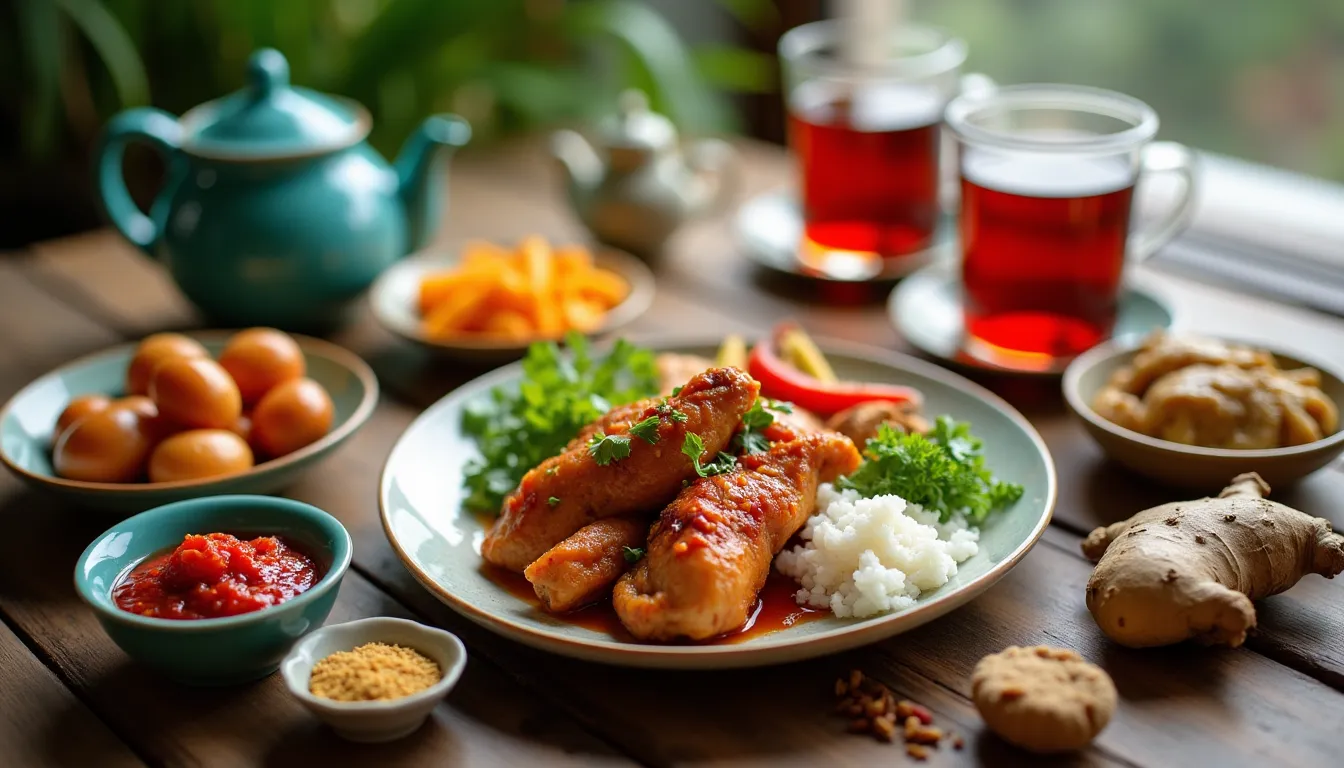
Confinement food is designed to be "heaty" and nourishing to help the body recover.
Traditional confinement dishes:
- Sesame oil chicken - Warming, helps with milk supply
- Pig's trotter vinegar (猪脚醋) - Rich in collagen, believed to strengthen joints
- Ginger dishes - Dispels "wind" and warms the body
- Fish soup (papaya fish soup) - Promotes milk production
- Red date tea - Blood-nourishing, warming
- Longan red date soup - Replenishes blood and energy
- Kidney soup - Believed to strengthen the back/kidneys
Confinement food delivery services in Singapore:
If you don't have help cooking, these services are a convenient option:
| Price Range (28 days) | What's Included |
|---|---|
| $800 - $1,200 | 2 meals/day, basic packages |
| $1,200 - $1,800 | 3 meals/day, more variety |
| $1,800 - $2,500 | Premium packages, organic options |
Tips for confinement eating:
- Start with lighter dishes in the first week, gradually add richer foods
- If breastfeeding, drink plenty of fluids (aim for 2-3 litres daily)
- Watch for foods that may cause baby gas if breastfeeding
- Don't force yourself to eat things you don't enjoy


🌸 Bloom Into Motherhood — April 18, voco Orchard
Lactation consultant. TCM physician. Babywearing specialist. Emotional wellness expert. Prenatal chiropractor. 5 experts, one afternoon. Buffet lunch + goody bag included. Every spin wins a discount.
Spin to Claim Your Ticket →Frequently Asked Questions
Can I use air-con during confinement?
Many modern mothers use air-conditioning during confinement, especially in Singapore's hot climate. Set it to a moderate temperature (24-26°C) and avoid pointing it directly at yourself or the baby. Wear light layers if you feel cold. The key is staying comfortable without overheating or getting too cold.
Can I wash my hair during confinement?
Traditional practice says no, but modern advice says you can wash your hair during confinement. Use warm water, wash during the warmest part of the day, and dry your hair thoroughly with a hairdryer immediately after. Many mothers find this helps them feel much better mentally and physically.
How do I know if my confinement nanny is good?
A good confinement nanny should: cook nutritious meals on time, handle the baby confidently, be willing to teach you baby care, respect your parenting choices, and keep things hygienic. Red flags include being rigid about outdated practices, not washing hands before handling baby, or being dismissive of your concerns.
What if I don't want to follow confinement practices?
That's completely your choice! The most important things for postpartum recovery are rest, nutrition, and support - you don't need to follow traditional rules to achieve these. Do what feels right for you and your family. Some mothers skip confinement entirely and recover just fine.
Is confinement necessary for C-section mothers?
Rest and recovery are even more important after a C-section since it's major surgery. Many C-section mothers find having help (whether a confinement nanny, family, or partner) extremely valuable. However, some confinement foods may need to be adjusted - avoid very "heaty" foods in the first week and focus on wound-healing nutrition.