HFMD Singapore: Complete Guide to Symptoms, Treatment & Prevention
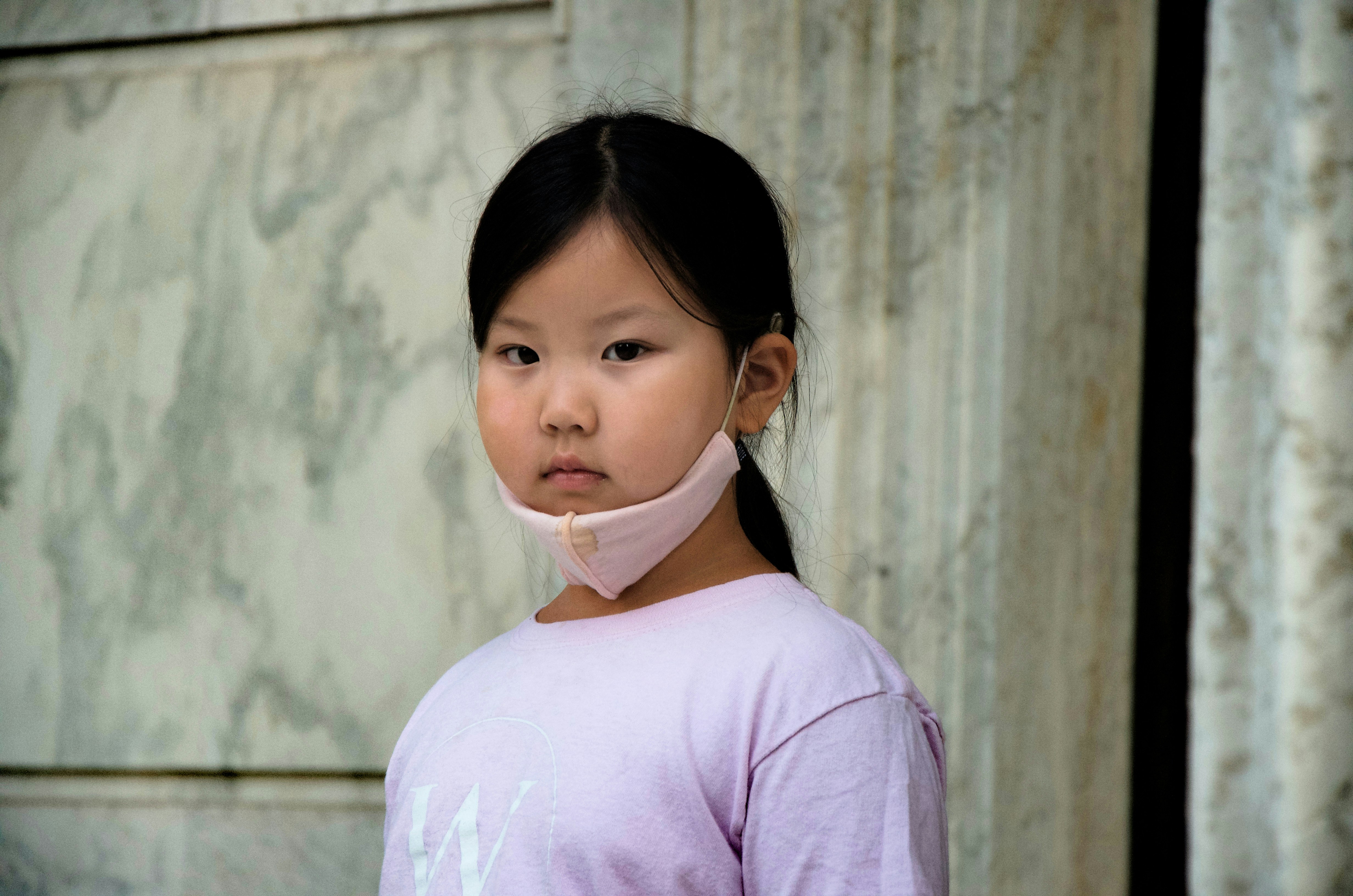
Hand Foot Mouth Disease (HFMD) is a common childhood viral infection in Singapore that causes fever, mouth sores, and a rash on the hands and feet. Most children recover within 7-10 days without specific treatment. HFMD spreads easily in childcare settings and is most common in children under 5 years old. There is no vaccine, but good hygiene practices can reduce transmission risk.
What is HFMD and what causes it?
Hand Foot Mouth Disease (HFMD) is a viral infection caused by enteroviruses, most commonly Coxsackievirus A16 and Enterovirus 71 (EV71). It primarily affects infants and children under 5 years old, though older children and adults can also be infected.
In Singapore, HFMD is endemic and cases occur year-round, with peaks typically seen from April to July. The disease spreads easily in childcare centres, kindergartens, and schools where children are in close contact.
How does HFMD spread?
HFMD is highly contagious and spreads through:
- Direct contact with nose and throat discharges (saliva, mucus)
- Fluid from blisters on an infected person
- Stool of infected persons (faecal-oral route)
- Contaminated surfaces and objects (toys, doorknobs)
Infected children are most contagious during the first week of illness, but the virus can remain in stool for several weeks after recovery.
What are the symptoms of HFMD?
Symptoms typically appear 3-7 days after exposure to the virus. The disease usually starts mild and progresses as follows:
Early symptoms (Day 1-2):
- Fever - often the first symptom, usually lasting 24-48 hours
- Poor appetite and general malaise
- Sore throat
- Irritability in younger children
Later symptoms (Day 2-3):
- Mouth sores - painful ulcers on tongue, gums, and inside of cheeks (making eating difficult)
- Skin rash - flat or raised red spots, some with blisters, on:
- Palms of hands
- Soles of feet
- Buttocks and/or genitalia (sometimes)
The rash is typically not itchy, which helps distinguish HFMD from other childhood rashes like chickenpox.

How long does HFMD last?
Most children with HFMD recover fully within 7-10 days without medical treatment. Here's the typical timeline:
| Stage | Duration | What to expect |
|---|---|---|
| Incubation | 3-7 days | No symptoms yet (but may be contagious) |
| Fever | 1-2 days | Temperature up to 38-39°C |
| Rash/Blisters | 7-10 days | Spots appear, blister, then dry up |
| Recovery | 1-2 weeks | Full recovery; virus may remain in stool |
When to see a doctor immediately
While HFMD is usually mild, seek medical attention if your child experiences:
- Persistent high fever (above 39°C) that doesn't respond to paracetamol
- Signs of dehydration (no wet diapers for 6+ hours, no tears when crying)
- Decreased alertness or unusual drowsiness
- Difficulty breathing or rapid breathing
- Persistent vomiting
- Worsening condition after initial improvement
How is HFMD treated?
There is no specific antiviral medication for HFMD. Treatment focuses on managing symptoms and keeping your child comfortable:
Managing fever and pain:
- Paracetamol (Panadol) for fever and pain relief - follow dosage instructions
- Do NOT give aspirin to children
- Sponge bathing with lukewarm water if fever is high
Preventing dehydration:
- Offer plenty of fluids - water, oral rehydration solution (ORS)
- Cold drinks and ice pops can soothe mouth sores
- Avoid acidic or spicy foods that may irritate mouth ulcers
- Soft, easy-to-swallow foods like porridge, yogurt, or soup
Soothing mouth sores:
- Mouth ulcer gels (available at pharmacies) can provide temporary relief
- Salt water rinses for older children who can gargle
- Cold foods and drinks

How can you prevent HFMD?
There is currently no vaccine for HFMD in Singapore. Prevention relies on good hygiene practices:
Hand hygiene:
- Wash hands frequently with soap and water for at least 20 seconds
- Always wash hands after changing diapers, using the toilet, and before eating
- Use hand sanitiser when soap and water aren't available
Avoid close contact:
- Keep sick children away from school, childcare, and public places
- Avoid kissing, hugging, and sharing utensils with infected persons
- Don't share cups, plates, or towels
Clean and disinfect:
- Clean contaminated surfaces with soap and water, then disinfect
- Wash soiled clothing and bedding in hot water
- Disinfect toys regularly, especially shared toys at childcare
Returning to childcare after HFMD
In Singapore, children with HFMD should stay home from childcare or school until:
- All blisters have dried up completely
- They are fever-free for at least 24 hours (without medication)
- They are well enough to participate in normal activities
Most childcare centres require a medical clearance letter from a doctor before your child can return. This typically takes about 7-10 days from when symptoms first appeared.
Tips when your child returns to childcare:
- Wash your child's hands and sanitise at the centre before pick-up
- Bathe your child and change clothes immediately when you get home
- Consider giving Vitamin C to help support their immune system
- Monitor for any recurrence of symptoms

🌸 Bloom Into Motherhood — April 18, voco Orchard
Lactation consultant. TCM physician. Babywearing specialist. Emotional wellness expert. Prenatal chiropractor. 5 experts, one afternoon. Buffet lunch + goody bag included. Every spin wins a discount.
Spin to Claim Your Ticket →Frequently Asked Questions about HFMD
Can adults get HFMD?
Yes, adults can get HFMD, though it's less common. Adults who do get infected may have milder symptoms or no symptoms at all, but they can still spread the virus to children. Pregnant women should take extra precautions to avoid contact with infected individuals.
Can my child get HFMD more than once?
Yes, children can get HFMD multiple times. Each infection only provides immunity to that specific virus strain. Since HFMD can be caused by different enterovirus types, your child can be infected again by a different strain.
Is HFMD the same as foot-and-mouth disease in animals?
No, HFMD in humans is completely different from foot-and-mouth disease that affects cattle, sheep, and pigs. They are caused by different viruses and humans cannot catch the animal disease, nor can animals catch human HFMD.
Should I be worried about HFMD complications?
Complications from HFMD are uncommon but can occur, especially with certain virus strains like Enterovirus 71 (EV71). Rare complications include viral meningitis, encephalitis (brain swelling), and heart inflammation. Seek immediate medical attention if your child shows signs of severe illness.
Can I send my child to school if there's an HFMD outbreak?
Check with your child's school or childcare centre for their specific policies during an outbreak. Generally, healthy children can still attend, but practice extra hygiene measures and monitor for any symptoms. Keep your child home immediately if they show any signs of illness.